We start a water-monitoring project by looking at how the facility operates. Production, cleaning and cooling all leave different patterns in the readings. The people running those systems help us understand which flows belong there and which need attention.
These are seven checks we use when reviewing water data with a facility team. Start where you have a useful reading and someone who can explain the process behind it.
1. Check the flow between shifts
Look at the water main when production has stopped. Some systems may still need water, so establish what should be running with the operators before deciding what the baseline means.
Unexpected continuous flow is a reason to investigate. We have followed it to valves and other equipment that were passing water unnoticed. Keep the meter running through the repair so you can see what changed.
2. Read the meters you already have
Before adding hardware, check the existing meters and their outputs. A pulse counter can bring readings from a compatible meter into the dashboard. Other instruments may already have an output we can connect.
Then decide where a separate meter would help. Monitoring a large user such as a cooling tower or boiler can make its behaviour easier to distinguish from everything else on the water main.
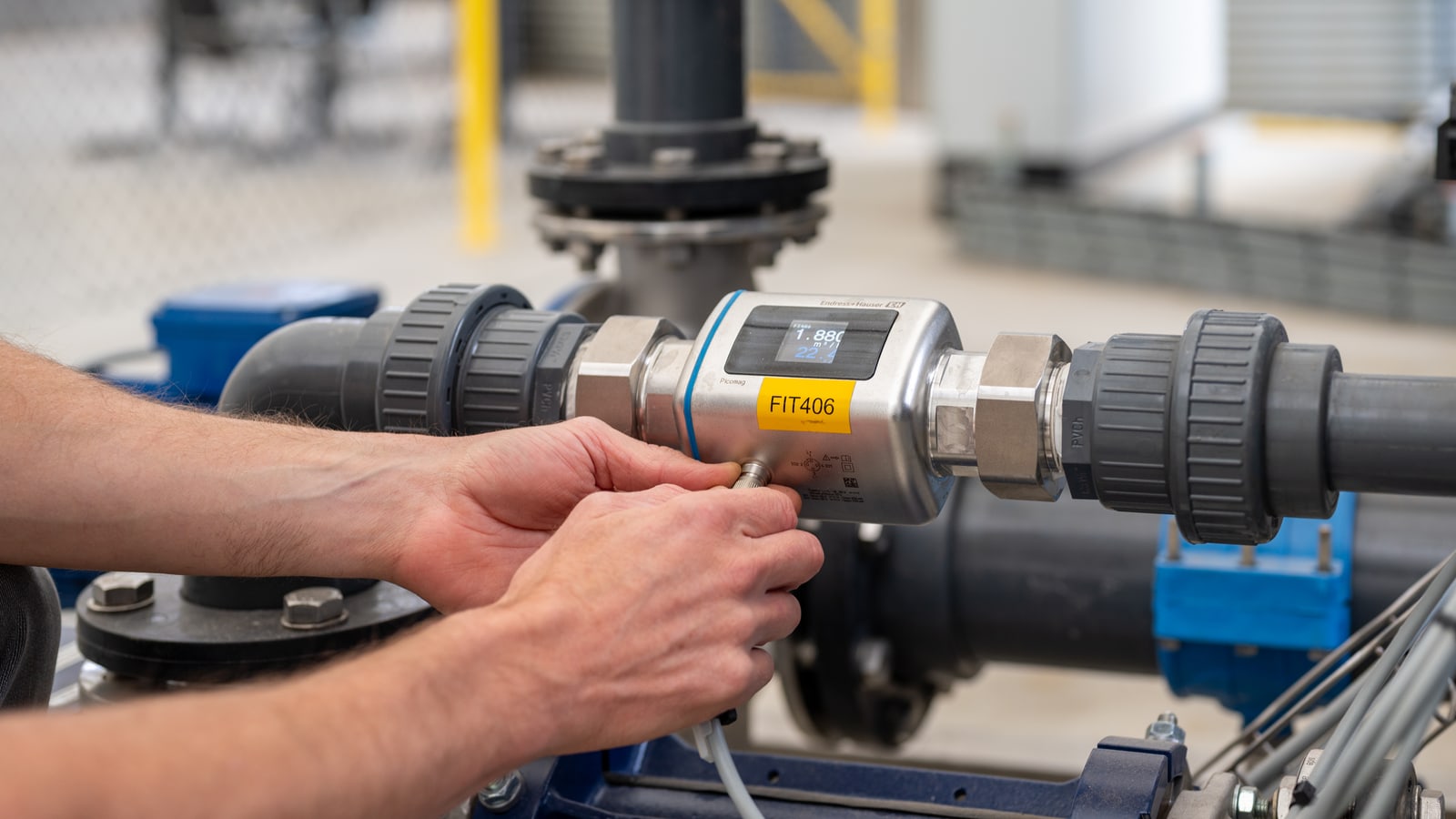
3. Measure flows that people adjust by hand
A valve position tells you how someone set it; a flow reading shows how much water is passing. Where operators adjust a line by hand, put the reading somewhere they can see it while doing the work.
Review the required flow with the team responsible for the process. Track changes against production conditions so an adjustment can be assessed in context, including its effect on the job the water is doing.
4. Review equipment schedules
Compare water use with production and cleaning schedules. A system may continue running after the work it supports has finished, or retain a schedule from an earlier production pattern.
Discuss any change with the operators and equipment specialists. Startup requirements and process needs belong in that discussion. Use the readings to compare operation before and after an agreed scheduling change, then check that the new schedule continues to suit the work.
5. Follow the cooling water
Look at cooling-water flow alongside temperatures and equipment operation. Those readings help the team assess whether a cooling system is doing what the process requires.
Our work has included monitoring cooling towers and individual heat exchangers. A closer view of flow and temperature can help the team investigate a performance change and follow the effect of maintenance. Keep the relevant readings together so they can be compared over the same period.
6. Reconcile the water balance
Compare the main meter with the meters on individual systems over matching time periods. The difference gives you somewhere to look for unmetered use, timing differences or readings that need checking.
Work through that gap with the team. An unexplained difference is a question to resolve, and the water balance becomes more useful as you learn what each meter covers. Add context for activities that change from shift to shift.
7. Review changes with the people doing the work
Bring operators and maintenance into the regular review. They can explain a cleaning cycle, a production change or a repair that would otherwise be just another change on a graph.
Keep a record of what was adjusted and when. Review the result over a suitable period, and agree which conditions should trigger an alert. That gives the next shift both the readings and the context to act on them.
Book a site visit to work through your facility’s water use with our team.